Typewriter Font
A Nostalgic Touch for Seasonal Embroidery
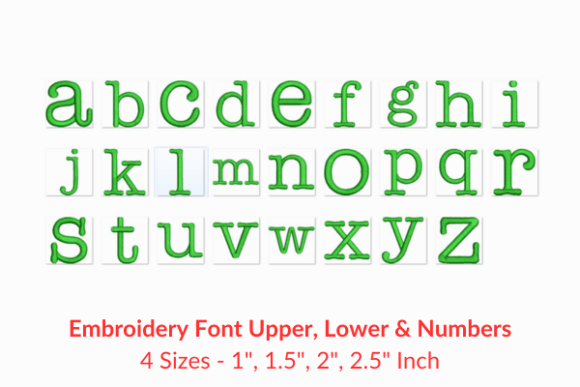
The first impression of Typewriter Font is one of quiet nostalgia and timeless charm. Its clean, crisp lines evoke the feel of old-school typewriters, bringing a sense of history and authenticity to any design. This font carries a vintage aesthetic that feels both cozy and elegant, making it a strong contender for holiday and seasonal projects. It’s not overly flashy or modern, which makes it versatile for a wide range of applications—from subtle home decor accents to personalized gifts.
Emotional Tone and Decorative Style
Typewriter Font has a gentle, reflective mood that aligns well with the sentiments of the holidays. It's perfect for conveying warmth, tradition, and personal connection. The decorative style is minimalist yet impactful, allowing the fabric and stitching to shine through without overwhelming the design. Whether used on a kitchen towel or an embroidered patch, this font maintains a consistent visual language that feels both familiar and fresh.
Seasonal Appeal in Real-World Scenarios
When considering how Typewriter Font performs in real holiday selling situations, it stands out as a reliable choice for a variety of product types. From gift bundles to Etsy listings, this font adds a touch of character that appeals to customers looking for meaningful, handmade gifts. It works especially well with family matching items, where consistency in design helps create a cohesive look across multiple products.
For craft fair displays, Typewriter Font can be used to label products or create signage that complements the overall theme. In limited edition apparel, such as sweatshirts or tote bags, the font brings a classic feel that resonates with both older and younger audiences. It also lends itself well to home decor, like pillow covers or embroidered patches, where a subtle yet stylish detail can make a big difference.
Product Use and Practical Considerations
Typewriter Font is best suited for products where clarity and legibility are key. However, there are some areas where it should be used with care. On small hoop sizes, the font may appear cramped, so it's important to test stitch density and ensure the design fits comfortably within the hoop space. Tiny lettering can also become difficult to read when stitched, especially on thick or textured fabrics like towels or aprons.
Dark fabric poses another challenge, as the contrast between the thread and the background may not be optimal. Testing thread colors on both light and dark fabric is essential to ensure visibility and readability. Additionally, metallic thread can enhance the font’s vintage appeal, but it may require extra stabilizer to prevent puckering or distortion during stitching.
Enhancing Product Value and Customer Trust
Using Typewriter Font can significantly boost the perceived value of your seasonal products. Its nostalgic design encourages customers to see the item as more than just a decoration—it becomes a piece of personal expression or a meaningful gift. This emotional connection enhances customer trust and increases the likelihood of repeat purchases.
From a brand consistency standpoint, Typewriter Font offers a strong foundation for creating a recognizable visual identity. When used across multiple products—like a collection of holiday-themed items—it helps reinforce your brand’s unique style. This consistency is especially valuable for Etsy sellers and small shop owners who rely on visual branding to stand out in a crowded market.
Practical Design Notes for Embroidery Professionals
As an experienced embroidery designer, I recommend several practical steps before using Typewriter Font in your seasonal collections. First, always test thread colors on both light and dark fabric to ensure visibility. Check stitch density to avoid over-stitching or under-stitching, which can affect the final appearance of the design.
Confirm the hoop size required for the design to ensure it fits comfortably within your machine’s capabilities. Using proper stabilizer is crucial, especially for stretchy garments or curved caps, to maintain the design’s shape and integrity. Creating realistic mockups with printable graphics can help you visualize how the design will look on different products before committing to a full production run.
Finally, review every small detail after stitching to catch any potential issues. Plan matching color palettes that complement the font’s vintage style, and confirm commercial licensing terms before selling finished seasonal products. These steps will help you deliver high-quality, professional results that meet customer expectations.
Conclusion: A Versatile Choice for Seasonal Success
Typewriter Font is a versatile and emotionally resonant choice for seasonal and holiday embroidery projects. Its nostalgic design adds a layer of meaning to each product, enhancing both its visual appeal and emotional impact. Whether used on a sweatshirt, kitchen towel, or embroidered patch, this font delivers a timeless quality that appeals to a wide range of customers.
With careful planning and attention to detail, Typewriter Font can become a valuable asset in your seasonal product lineup. By following best practices for embroidery preparation and testing, you’ll ensure that your designs are both beautiful and functional, helping you connect with customers in meaningful ways during the holiday season.