Space Bar Font Embroidery Design
A Designer’s First Stitch with Space Bar Font
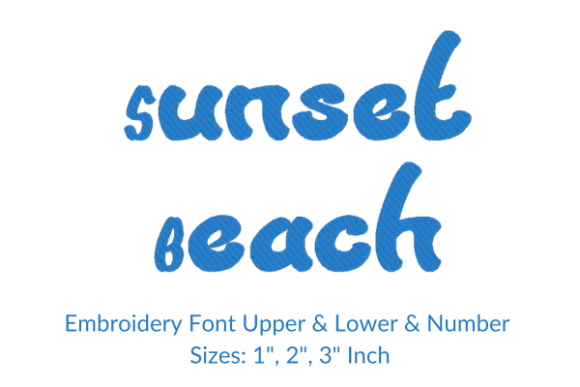
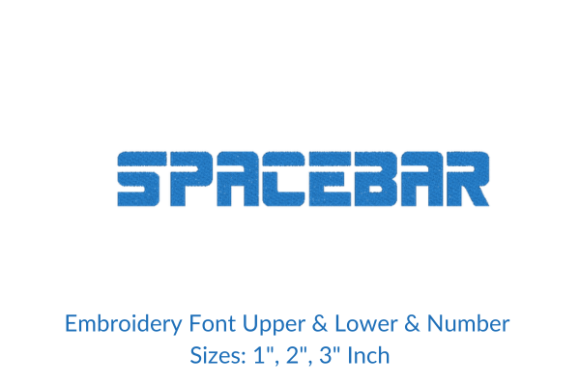
As an embroidery designer who’s stitched over 3,000 personalized gifts—from newborn onesies to heirloom wedding pillow covers—I opened the Space Bar Font Embroidery Design file expecting charm, not just clarity. What I found was a quiet confidence: clean lines, gentle curves, and just enough personality to feel handmade without sacrificing legibility. It’s not fussy or overly ornate—no swirls, no script flourishes—but it’s also not sterile. There’s warmth in its spacing, softness in its terminals, and a subtle rhythm that makes even single names feel intentional. To me, it reads as modern classic: timeless enough for a baby blanket monogram, refined enough for a linen wedding towel, and versatile enough for school spirit aprons or custom tote bags sold at craft fairs.
Where This Font Truly Shines
The Space Bar Font Embroidery Design excels where emotional resonance meets practicality. For baby embroidery, it transforms a simple cotton receiving blanket into a keepsake—the name stitched in soft pastel thread feels tender and unhurried. On embroidered towels, especially kitchen or guest hand towels, it adds quiet sophistication without overwhelming the fabric’s texture. As a wedding gift, it elevates linen napkins or pillow covers with understated elegance; imagine “Est. 2024” or initials paired with a tiny floral motif—this font doesn’t compete, it complements.
For small shop products and Etsy sellers, Space Bar Font is a strategic asset. Its balanced letter proportions mean names, dates, and short quotes render cleanly across multiple hoop sizes—ideal for batch-producing personalized items like pillow covers, aprons, or nursery wall hangings. It also photographs beautifully: clean edges and consistent stitch density translate well in natural-light product shots, helping buyers instantly grasp quality before clicking “add to cart.” That visual trust directly supports perceived value—customers don’t just see a name; they see care, consistency, and craftsmanship.
Thoughtful Use Cases Across Your Product Line
- Baby embroidery: Perfect for onesies, burp cloths, and muslin swaddle blankets—just avoid ultra-fine lettering under 0.3” height on stretchy knit fabrics.
- Wedding gifts: Ideal for monogrammed handkerchiefs, linen coasters, or cotton canvas tote bags carrying ceremony programs.
- Nursery decor: Works elegantly on framed fabric art, wooden block inserts, or quilt labels—pair with neutral thread colors for soft contrast.
- Custom embroidery for school: Great for teacher appreciation totes, PTA event aprons, or student award ribbons—clean, legible, and age-appropriate.
- Blanket embroidery: Holds up beautifully on medium-weight cotton or bamboo blends; avoid dense quilting layers underneath unless stabilized properly.
Where to Pause—and Test
Like any high-quality embroidery font, Space Bar Font demands thoughtful execution—not limitations. On textured fabric (like terry cloth or heavy linen), test stitch density first: too many stitches can flatten texture or cause puckering. With dark fabric, verify thread color contrast early—light grays or creams may need a white underlay for crisp definition. On curved surfaces (think mug cozies or rounded pillow edges), consider simplifying phrases to 2–3 words; longer lines may distort subtly during hooping.
And while the design is built for versatility, avoid pushing it on very small lettering (<0.25”) or highly stretchy baby clothes without proper cutaway stabilizer and reduced stitch speed. Also, remember: frequent washing affects longevity. If your handmade product is meant for daily use—like embroidered dish towels—confirm the Space Bar Font Embroidery Design’s stitch density aligns with durable, wash-tested thread (e.g., polyester or premium rayon).
Building Trust Through Thoughtful Execution
What makes Space Bar Font stand out isn’t just aesthetics—it’s how it supports your credibility as a maker. When customers receive a personalized gift with clean, evenly spaced letters and smooth satin-stitch edges, they don’t just notice the name—they feel seen. That emotional connection deepens repeat business and word-of-mouth referrals. For digital embroidery file sellers, offering this font with clear usage notes (e.g., recommended stabilizers, compatible hoop sizes) builds authority. For commercial embroidery users, always confirm licensing terms before including it in client work or finished product listings—especially for Etsy shops or wholesale accounts.
Your Practical Checklist Before Stitching
- Test the Space Bar Font Embroidery Design on scrap fabric matching your final product’s weight and weave.
- Check thread color contrast on both light and dark fabric mockups—don’t rely solely on screen previews.
- Confirm hoop size compatibility—some versions scale better than others across 4x4”, 5x7”, and larger hoops.
- Review stitch density: if it feels overly dense for your fabric, adjust underlay or reduce fill density slightly.
- Use appropriate stabilizer—tear-away for stable wovens, cutaway for knits or towels, and water-soluble for delicate surfaces like silk or lace overlays.
- Inspect small details post-stitch: corners, serifs, and inner curves should be fully formed—not skipped or fused.
- Verify commercial licensing status before selling finished products featuring this font—especially if bundling with other designs.
A Quiet Staple Worth Keeping Close
In a market flooded with trending fonts and overdesigned motifs, the Space Bar Font Embroidery Design is refreshingly grounded. It doesn’t shout—it invites. It doesn’t distract—it honors the person, moment, or memory behind the personalization. Whether you’re stitching a graduation cap for a School fundraiser, prepping a bridal suite of embroidered robes, or building a best-selling Embroidery collection for your Etsy shop, this font delivers consistency without compromise. It’s the kind of design that earns repeat use—not because it’s flashy, but because it works, beautifully, every time.