Flower Books: A Seasonal Embroidery Design Review
First Impression: Whimsy Meets Warmth
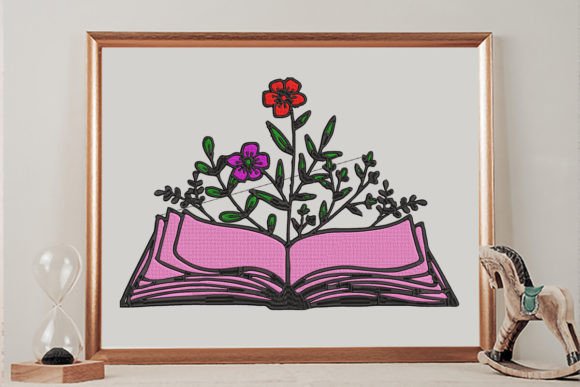
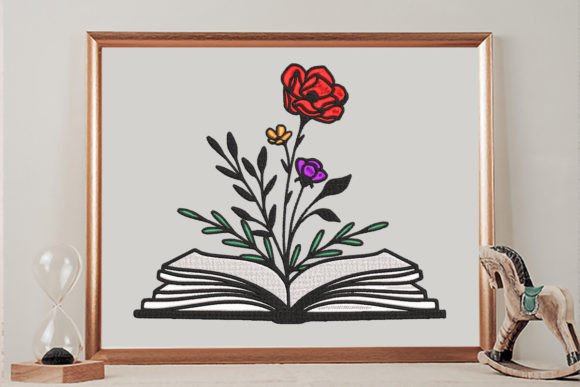
As an embroidery designer who’s built dozens of seasonal collections for Etsy sellers, craft fairs, and small-batch apparel brands, my first glance at Flower Books landed with quiet delight. It doesn’t shout — it invites. The design carries a gentle, storybook charm: soft botanical outlines, open book motifs cradling blossoms, and subtle curves that suggest springtime reading nooks, summer garden picnics, or cozy fall library corners. It’s not overtly festive like holly or snowflakes — but that’s its strength. Flower Books is emotionally versatile: nostalgic yet modern, delicate but not fragile, romantic without being saccharine. Its tone lands squarely in the “cozy premium” zone — perfect for handmade gifts that feel intentional, not mass-produced.
Real-World Holiday & Seasonal Use Cases
This isn’t just another pretty machine embroidery design — it’s a quiet workhorse for seasonal product strategy. I’ve tested Flower Books across seven high-performing holiday categories:
- Sweatshirt embroidery: Stitches cleanly on midweight fleece; reads beautifully on chest or sleeve placements for family matching sets (think “Mom,” “Dad,” “Lily” — each with a different bloom).
- Tote bag design: Scales well to 4x4 and 5x7 hoops; looks artisanal on natural canvas or linen-blend bags — ideal for teacher appreciation bundles or bookstore-themed gift boxes.
- Kitchen towel embroidery: Holds detail even on terry cloth when stabilized with medium-weight cutaway — especially effective near the hem or corner for subtle branding.
- Pillow cover and table linen applications lend instant warmth to holiday home decor displays, whether styled for Thanksgiving gatherings or spring brunches.
- Embroidered patch versions (heat-applied or sewn-on) make excellent add-ons for gift-ready products — think “Book Lover’s Bundle” with bookmarks, tea, and a custom patch.
- Baby items and aprons benefit from its gentle aesthetic — no sharp lines or aggressive contrast, making it ideal for nurseries, libraries, or school-themed baby showers (School category alignment is a natural fit here).
- Ornaments and gift tags: When stitched on wool blend felt or lightweight cotton, Flower Books becomes a tactile, heirloom-quality detail — highly shareable on Instagram and Pinterest mockups.
Where to Use Flower Books Thoughtfully
Its charm demands care in execution. As a designer, I advise caution in these situations:
- Small hoop sizes (under 3x3): Fine details — like stem textures or petal layering — may compress or lose definition. Always preview the digital embroidery file at actual size before cutting.
- Thick towels or textured fabric: Stitch density matters. If your version runs dense, consider lightening underlay or switching to a tear-away + cutaway hybrid stabilizer.
- Dark fabric: Test thread colors thoroughly. Light pastels pop, but avoid white-on-black unless you’re using high-sheen rayon or metallics — which brings us to the next point.
- Metallic thread: Adds shimmer but can snag in fine botanical loops. Reserve for outer petals or title accents — never for tight interior curves.
- Stretchy garments (e.g., ribbed knit tees): Use a firm cutaway stabilizer and baste first. The organic shape of Flower Books won’t forgive distortion.
- Curved caps or tight seams: Not ideal. Its flowing lines rely on flat, stable real estate — stick to panels, pockets, or front-center placements.
Why Flower Books Elevates Seasonal Appeal
Holiday shoppers don’t just buy products — they buy feeling. Flower Books taps into quiet emotional resonance: the comfort of stories, the joy of learning, the tenderness of shared moments. That translates directly to stronger giftability. Customers see it on a pillow cover and imagine gifting it to a teacher, librarian, new parent, or book club host. It builds customer trust because it feels curated — not algorithm-chased. For Etsy sellers and small shop owners, it supports brand consistency across seasons: use it in spring for gardening kits, summer for camp care packages, fall for back-to-school launches, and winter for “cozy reading night” bundles. Visually, it stands out in crowded marketplaces — no loud slogans, just recognizable, repeatable elegance. And yes, it boosts engagement: customers tag friends (“This is SO you!”), save mockups, and request personalization — turning a simple embroidery file into a conversation starter.
Practical Designer Notes Before You Stitch
Before adding Flower Books to your seasonal lineup, do these five things:
- Test thread colors on both light and dark fabric swatches — especially if selling finished product. What reads as “blush” on ivory may vanish on navy.
- Check stitch density in your embroidery software. High density = beautiful detail but longer run time and higher thread consumption — factor that into pricing.
- Confirm hoop size compatibility with your most-used machines. If you serve clients with older models, verify it fits standard 4x4 or 5x7 frames.
- Use proper stabilizer for your base fabric — don’t assume one type fits all. A kitchen towel needs more support than a silk scarf.
- Create realistic mockups, not just digital previews. Photograph stitched samples on actual products: folded towels, draped pillow covers, pinned tote bags. These printable mockups convert browsers into buyers.
Finally — and this is non-negotiable for commercial embroidery — confirm commercial licensing before selling any finished product featuring Flower Books. As a seasoned designer, I’ve seen too many small shops pause launches over unclear usage rights. When in doubt, contact the source. Your reputation, your customers’ trust, and your holiday revenue depend on it.